
Why Armenia Matters
Mission Statement
Save Armenia mobilizes and unites American Christians to defend and support Armenia, the first Christian nation, amid ongoing existential threats. We build and sustain a broad-based coalition prepared to advocate, influence policy, and respond when needed to safeguard Armenia’s security, sovereignty, and survival.
Armenia's Historical Significance
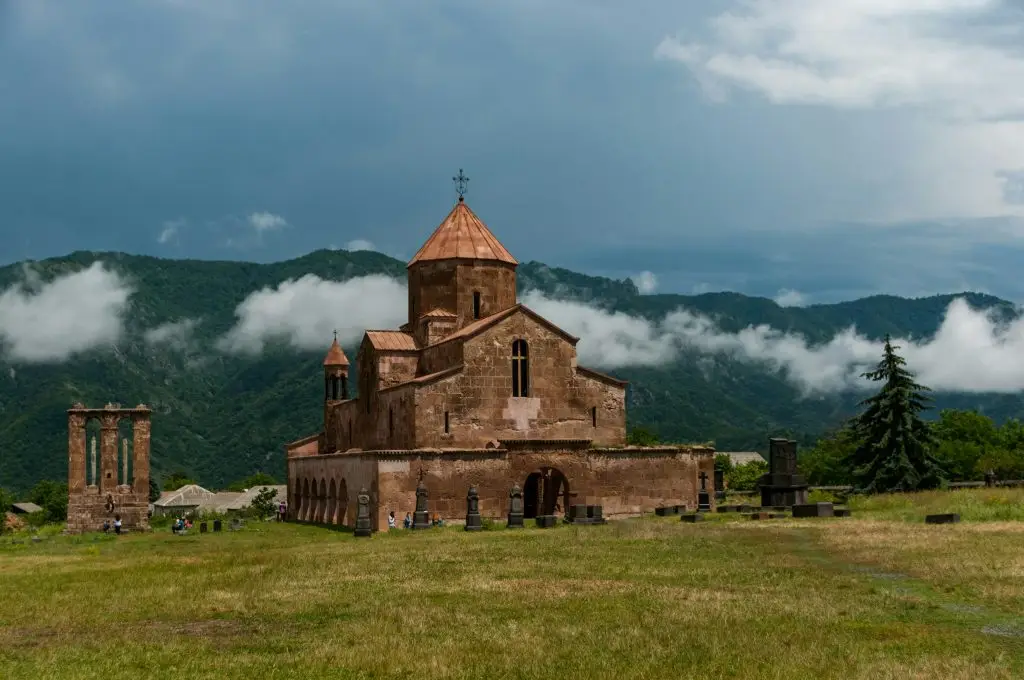
Armenia holds a unique and enduring place in world history. It was the first nation to adopt Christianity as its official religion in the early fourth century, and its Christian faith has remained a core part of Armenian identity ever since. The Armenian Apostolic Church continues to influence the cultural, spiritual, and national life of the Armenian people and is one of the oldest continuous Christian communities in the world.
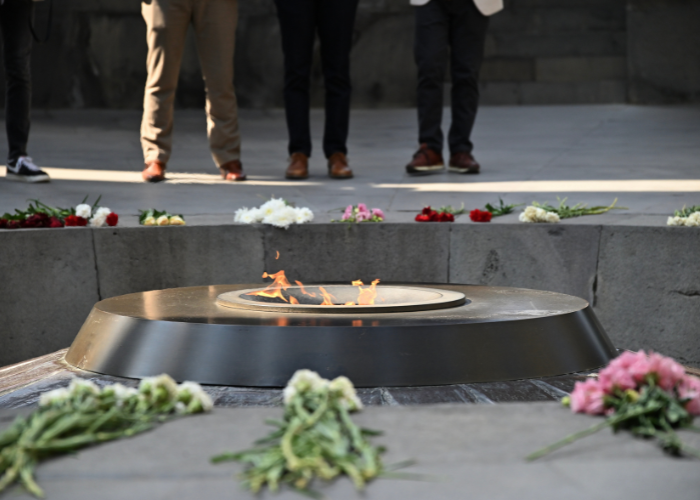
Armenia’s history has also been marked by profound suffering. Between 1915 and 1917, the Ottoman government carried out systematic persecution, mass killings, forced marches, and deportations against the Armenian population of the Ottoman Empire, in what is widely recognized by scholars and many governments as the Armenian Genocide. During this period, an estimated between 600,000 and 1.5 million Armenians were killed, either through direct violence, exposure, starvation, or disease, as they were forced from their homes and marched into the Syrian desert and other inhospitable regions.
In addition to those killed, hundreds of thousands more were displaced from their ancestral lands, creating one of the largest diasporas of the twentieth century. Many survivors who managed to escape or were expelled were never able to return to their communities, and their land and property were permanently lost.
This collective trauma, sometimes referred to as the Great Calamity (Medz Yeghern), is not confined to the past. It continues to inform Armenian identity, security concerns, and the deep commitment to survival that characterizes the nation and its global diaspora today. For a detailed historical overview of these events and their lasting impact, see the United States Holocaust Memorial Museum’s summary of the Armenian Genocide and the Encyclopedia Britannica entry on the Armenian Genocide.
This historical legacy explains why Armenia’s future carries significance far beyond its borders. It is a story of faith, endurance, and the determination of a people to preserve their heritage against overwhelming odds.
The Threat Environment Today
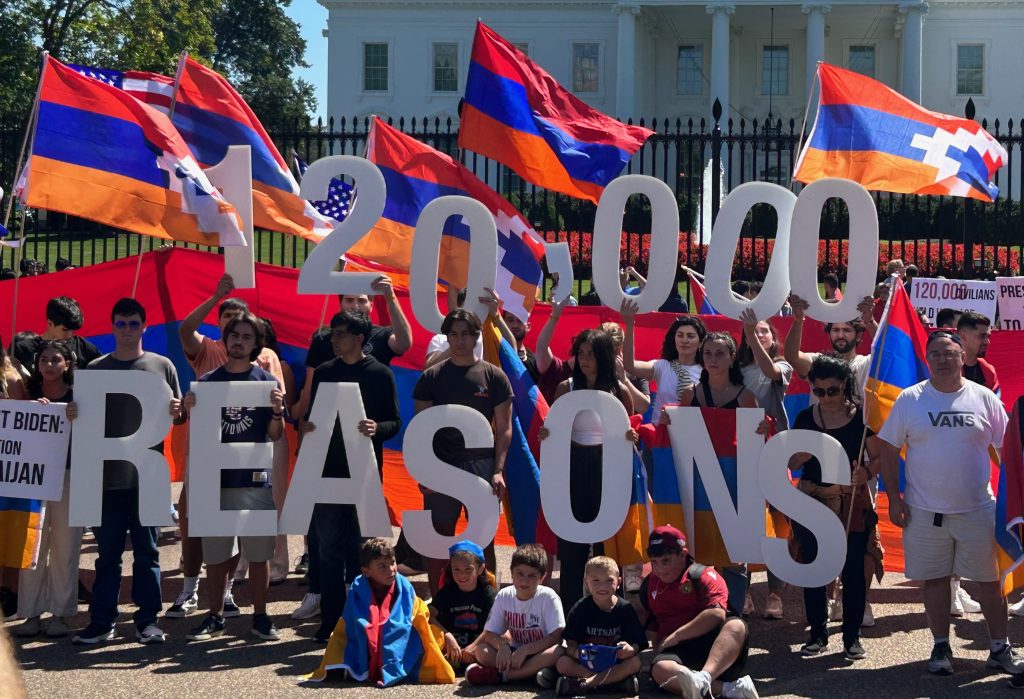
Armenia currently faces a persistent and complex threat environment. Its security and sovereignty remain under ongoing pressure from regional instability and repeated conflicts along its borders. Recent military clashes, including Azerbaijan’s 2023 offensive in Nagorno-Karabakh and subsequent displacement of nearly all of the region’s ethnic Armenian population, have heightened concerns about civilian safety, territorial integrity, and long-term stability.
On August 8, 2025, leaders from Armenia and Azerbaijan met at the White House in Washington, D.C. and initialed a U.S.-brokered Joint Declaration to advance peace and end nearly four decades of conflict. The agreement committed both countries to cease using force against one another, to respect each other’s territorial integrity, and to pursue normalization of diplomatic relations. It also included provisions for expanded economic cooperation and a strategic transit corridor linking Azerbaijan to its Nakhchivan exclave through Armenian territory.
The Washington Accord, as described, represented a significant diplomatic breakthrough because it brought the parties closer than they had been in decades and provided a framework for future negotiations and cooperation. It helped reduce the immediate risk of large-scale military escalation by signaling political commitment to peace and opening space for economic integration and diplomatic engagement.
However, the accord did not eliminate the underlying threats facing Armenia. Key issues remain unresolved, such as final ratification of a comprehensive peace treaty, the status and rights of displaced ethnic Armenians from Nagorno-Karabakh, the delimitation of borders, and mechanisms for mutual security assurances. Some analysts and observers have noted that the accord’s provisions remain largely conceptual, and implementation depends on political will, domestic legal reforms, and sustained international engagement.
In addition, the accord did not directly address Azerbaijan’s occupation of Armenian territory seized in prior years or provide formal security guarantees that would prevent future coercion or pressure. As a result, Armenia’s strategic vulnerabilities endure, and the possibility of renewed tensions and localized clashes remains part of the regional environment.
Armenia’s geopolitical position adds to these challenges. The country is navigating a difficult transition as traditional security arrangements have weakened and regional powers pursue competing interests. Armenia is seeking stronger relationships with Western partners while facing pressure from neighbors whose actions have at times undermined its independence and cultural heritage.
In this context, Armenia’s challenges extend beyond military concerns. They include the protection of civilian populations, the preservation of cultural and religious identity, and the ability of the nation to chart its own future free from coercion.
Armenia and Religious Freedom
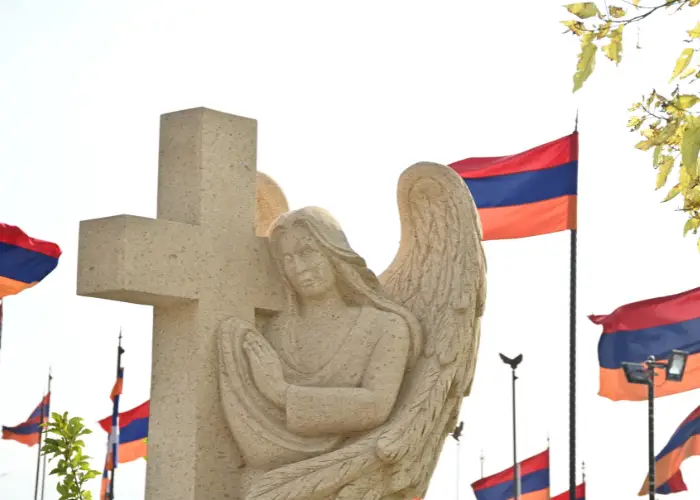
Armenia’s significance is deeply connected to the principle of religious freedom. The vast majority of Armenians belong to the Armenian Apostolic Church, which has endured for centuries despite persecution and political upheaval. Religious identity in Armenia is inseparable from national identity, making threats to the nation also threats to a living faith tradition.
Armenia’s constitution affirms religious freedom and recognizes the historic role of the Armenian Church. Even so, pressures on the nation’s security and sovereignty place stress on the institutions that sustain religious life and cultural continuity. Protecting Armenia, therefore, means protecting the right of a people to live openly according to their faith and traditions.
This struggle resonates with faith communities around the world who value conscience, liberty, and the freedom to practice belief without fear or repression.
Armenia and Broader Western Interests
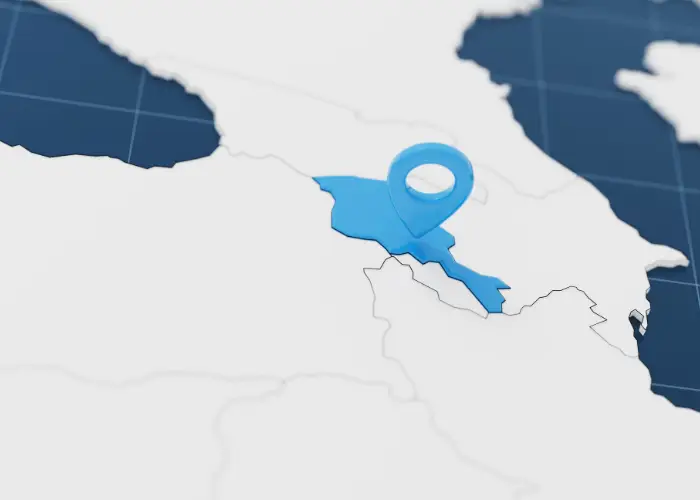
While Armenia holds deep meaning for people of faith, it is also relevant to broader Western interests. Armenia occupies a strategic location at the crossroads of Europe and Asia in a region shaped by energy routes, trade corridors, and competing global powers. Its stability has implications for regional security and international cooperation.
For the United States and its allies, Armenia represents more than a humanitarian concern. It is a nation seeking security, democratic resilience, and meaningful partnership in an increasingly unstable region. Supporting Armenia aligns with broader commitments to human rights, religious freedom, and a rules-based international order.
Engagement with Armenia, therefore, reflects both moral responsibility and strategic interest.
Moral Urgency and Policy Urgency
Armenia’s story demands moral attention. Its history of faith, survival, and perseverance calls for solidarity and recognition. Yet moral concern alone is not enough to secure Armenia’s future.
The challenges Armenia faces require informed policy engagement, strategic advocacy, and sustained leadership. Decisions made by governments, institutions, and international partners will shape whether Armenia can achieve long-term security and resilience.
Save Armenia exists at this intersection of moral urgency and policy urgency. The organization works to ensure that Armenia’s challenges are understood, that its voice is heard, and that concrete action supports its security, freedom, and future.
Why This Matters to You
Armenia’s future is a test of whether the international community will defend religious freedom, protect vulnerable nations, and uphold the principles that underpin global stability. For people of faith, for advocates of freedom, and for leaders concerned with international security, Armenia matters because its survival affirms values that transcend borders.
Save Armenia invites leaders, communities, and partners to engage in this work not only to respond to the crisis but to help build a resilient and secure future for generations to come